
New Space Force strategy highlights key role in joint fight
A five-year funding chart included in the strategy shows a steep increase in planned missile warning spending.
A five-year funding chart included in the strategy shows a steep increase in planned missile warning spending.
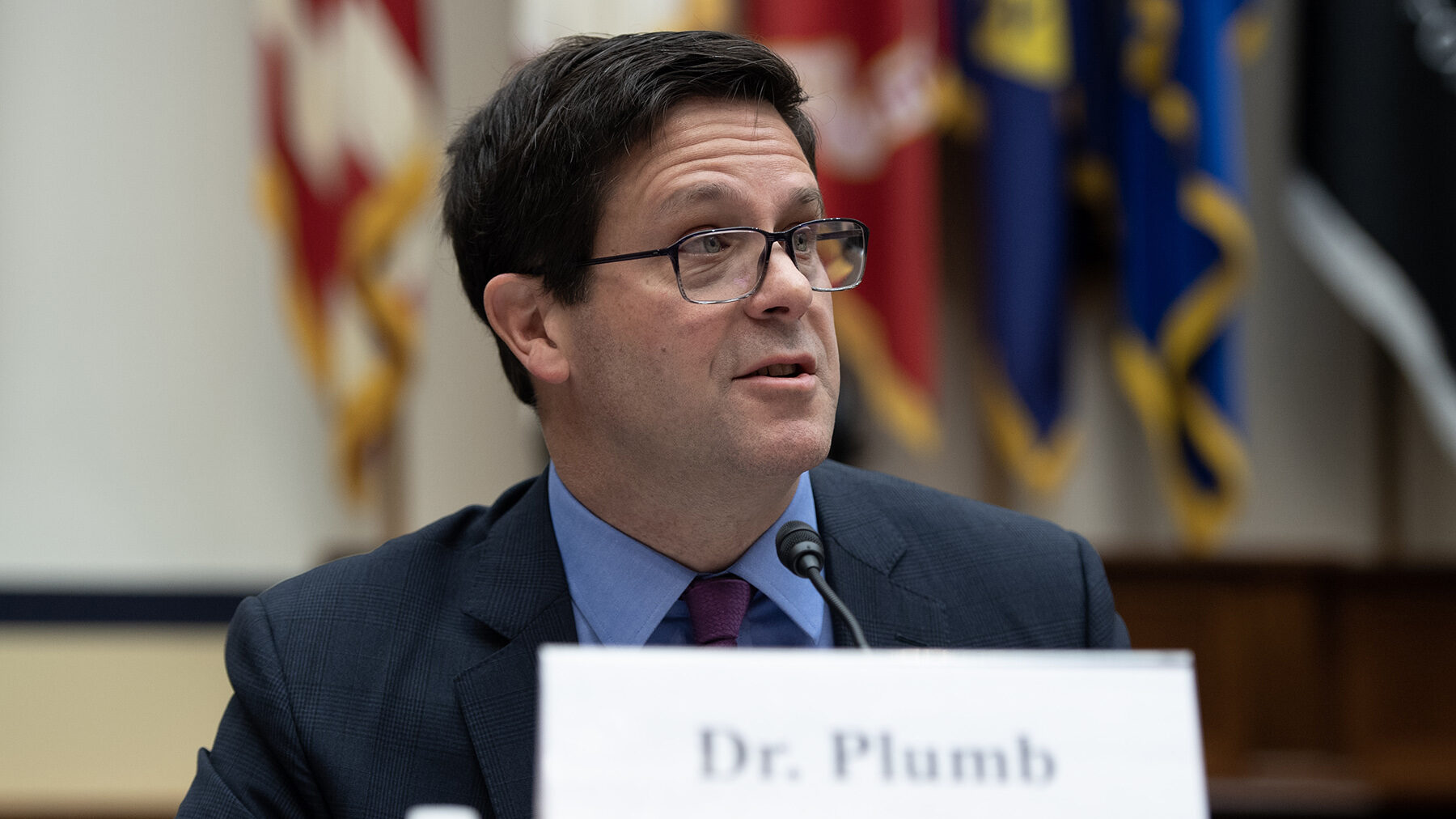
“I’m confident that the Senate is ready to rapidly confirm a nominee,” Rep. Mike Gallagher, R-Wisc., said. “I’ve had many conversations to that effect.”


Avoiding vendor lock and providing more room for sensors and upgrades are critical considerations.

In somewhat of a surprise, the HASC provision to force the Space Force to create a Space National Guard was stripped from the bill in the negotiations between the two sides of Capitol Hill.

"Key for us is allowing on-ramps, allowing for some smaller launches to have a chance," a senior Space Force official told Breaking Defense, in order to avoid billion-dollar "Titan-era prices."
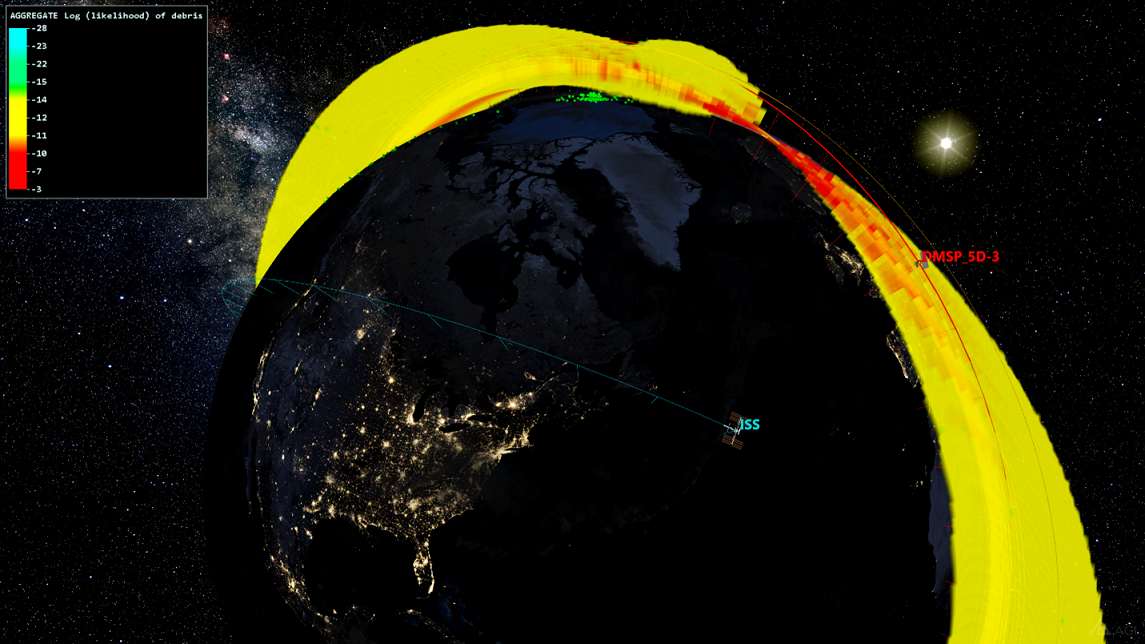
The House Armed Services Committee would require Space Force to establish specific requirements for satellite protection prior to starting any major new acquisition program.

The subcommittee is "encouraging the use of commercially available data" to help fill ISR gaps identified by military commanders, but there's also has concerns about overlap in acquisition of commercial ISR.


Demand signals from leadership are shaping investments in design, engineering and manufacturing.

Lawmakers want to mandate the maintenance and modernization plan's annual delivery.
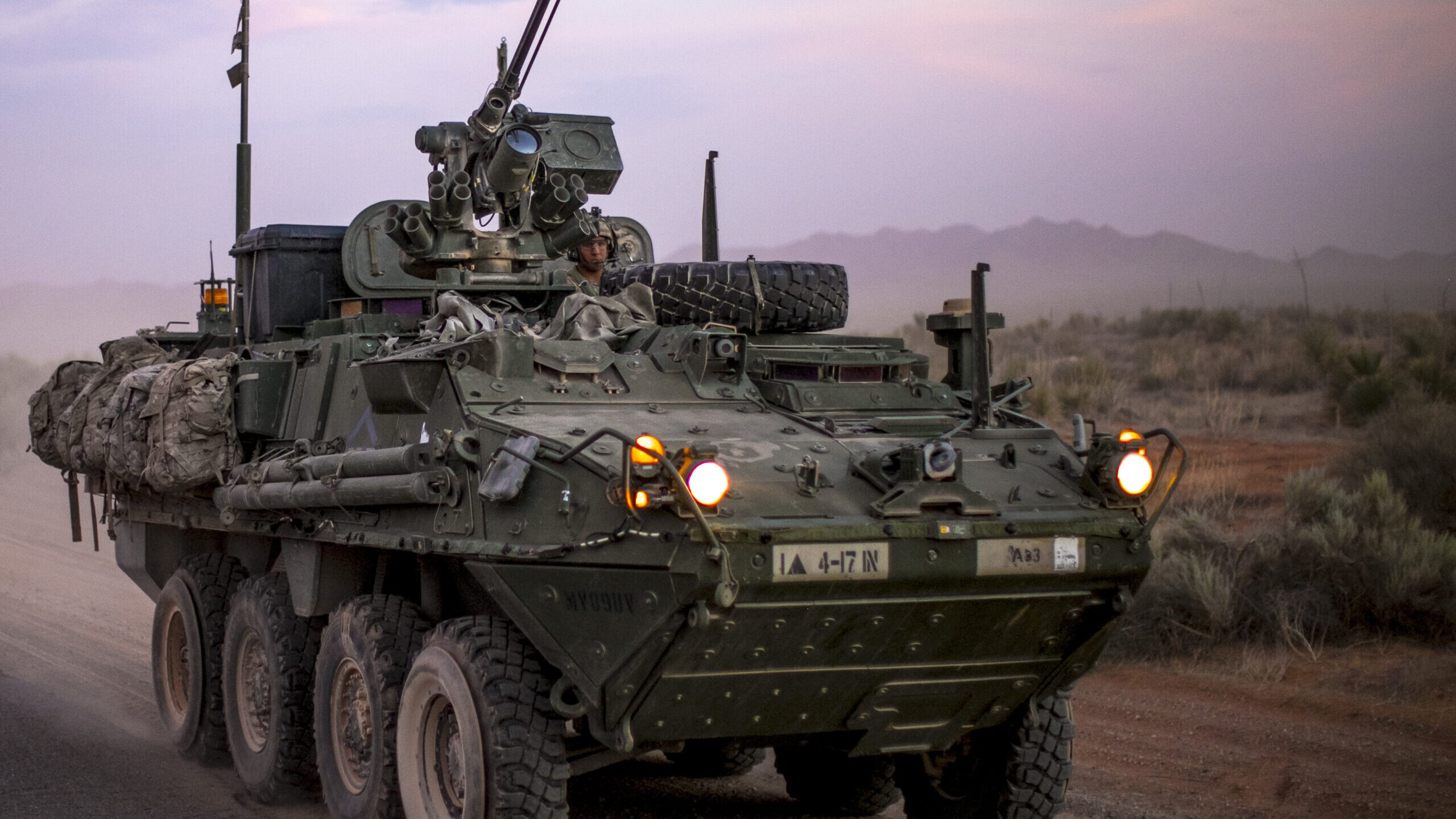
From Javelins to high-altitude ISR, the HASC tactical air and land subcommittee offers a view into lawmaker's tactical concerns.

The markup also calls for a comprehensive report on how DoD plans to leverage ISR data from commercial radio frequency (RF) satellites, noting that lawmakers have been "encouraged" by the successful use of RF geolocation in exercises, including by European Command.